Explore the world's most popular cruise regions. Discover ports, browse itineraries, and plan your next voyage.

Two or three countries in a week, each with completely different food. A typical itinerary might start in Barcelona, stop in Marseille for bouillabaisse, then dock near Rome for a day at the Colosseum. Shoulder season (May or October) means fewer tourists and lower prices.
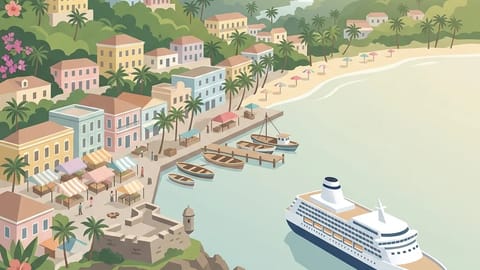
The most popular cruise region by a wide margin, and for good reason. Sailings are short (3-7 nights), ports are close together, and the water temperature barely drops below 26 degrees C. Every island has its own feel. If you've never cruised before, start here.
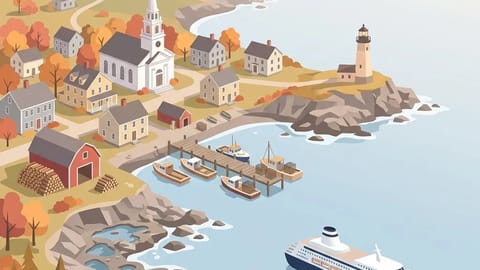
Peak season is September and October, when the fall foliage turns New England into a postcard. Most sailings depart from New York or Boston and work their way up to Bar Harbor, Halifax, and sometimes Quebec City. The ports are small and walkable, the lobster is fresh.

This is where you go if ancient history matters to you. Athens, Ephesus, and Dubrovnik are regular stops, and most itineraries weave in a few Greek islands. The water in the Aegean is warm from June through September. Expect tender ports at some of the smaller islands.

The quickest cruise you can take from Florida. Some sailings are just 3 nights. Most itineraries stop at Nassau and a cruise line's private island. It's a beach trip with a floating hotel. Not much sightseeing, but that's the point.

Pacific Coast sailings between San Diego, San Francisco, and sometimes up to Seattle or Vancouver. The California coast is the main draw, with stops near wine country and Big Sur. These tend to be shorter repositioning cruises or segments of longer Panama Canal itineraries.

Most of Alaska's coast has no roads, so a ship is genuinely the best way to see it. The Inside Passage threads between forested islands, past glaciers that calve ice into the water while you watch from deck. Humpback whales are common. Pack warm layers even in July.
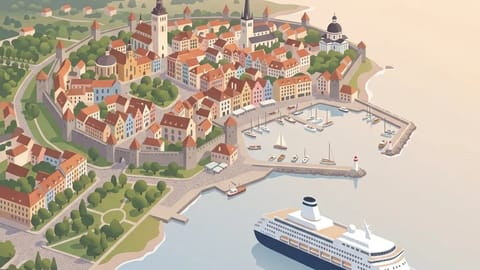
Four or five Northern European capitals in one trip, connected by overnight sailings. You wake up in Copenhagen, spend a day walking the canals, and by morning you're in Stockholm. The cities are compact and walkable, and in midsummer you get 18+ hours of daylight.

The Norwegian fjords are the main reason people book these itineraries. Geirangerfjord is the showstopper: 1,000-foot cliffs with waterfalls pouring over the edge while your ship passes below. Some routes extend to the Scottish Highlands, the Faroe Islands, or Iceland.

Japan is the standout here. Spring (cherry blossom season) and autumn (fall colors) are the best times to go, and itineraries often loop through South Korea, Taiwan, and sometimes mainland China. The food in Japan alone justifies the trip. Expect efficient, well-organized ports.

The range here is enormous. Northern itineraries hit Rio de Janeiro, Buenos Aires, and the Brazilian coast. Southern routes go to Patagonia and the Chilean fjords, where the scenery rivals Alaska. Some sailings round Cape Horn or connect to Antarctica. Expect longer voyages, 14 nights or more.
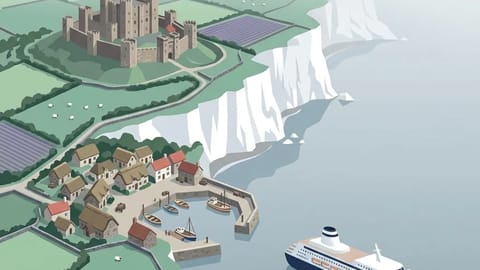
Scotland, Ireland, and the English coast on one itinerary. The Scottish Highlands are remote and beautiful even in rain (bring waterproofs). The Irish coast has the Cliffs of Moher. English ports like Liverpool and Edinburgh pair well with a day or two of exploration. These sailings tend to run from Southampton or Dublin.
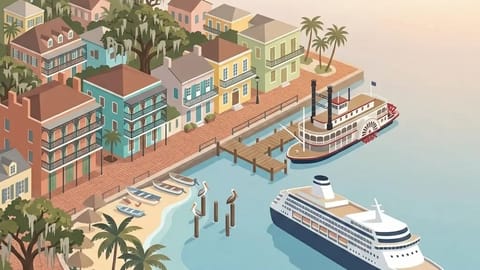
Short cruises departing from New Orleans, Galveston, or Tampa, mostly heading to Mexico or the Western Caribbean. Easy to drive to the port if you're in the southern US. New Orleans in particular is worth arriving a day early for.

Warm weather year-round, about four hours by plane from most of Europe. The Canary Islands are volcanic, so the landscapes are more rugged than typical beach destinations. Tenerife has Mount Teide (Spain's highest peak), Lanzarote has lava fields, and Gran Canaria has sand dunes. Popular for winter-sun repositioning cruises.

Longer itineraries, 10 to 14 nights is typical, with serious variety between ports. One day you're sailing into Sydney Harbour past the Opera House, a few days later you're in Milford Sound. The Great Barrier Reef is snorkeling or diving territory. Seasons are flipped: November to March is their summer.

The best food value in cruising. A bowl of pho in Ho Chi Minh City costs less than a dollar, and Singapore's hawker centres have Michelin-starred stalls for under five. Most itineraries depart from Singapore and loop through Vietnam, Thailand, and sometimes Malaysia. Book between November and March to dodge monsoon season.
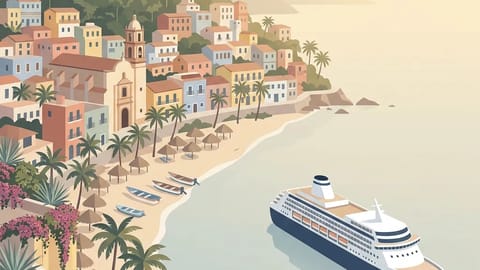
Two coasts, two different experiences. The Pacific side (Mexican Riviera) has resort ports like Cabo and Puerto Vallarta. The Caribbean side (Cozumel, Costa Maya) is better for ruins and reefs. Short sailings from California or Texas are common, and the food at every port is worth seeking out.

Four islands in one trip without unpacking twice. Kauai has the Na Pali Coast sea cliffs. The Big Island has Kilauea, one of the world's most active volcanoes. Maui has the beaches and the whale watching (humpbacks visit December through April). NCL's Pride of America is the only large cruise ship doing this route year-round.
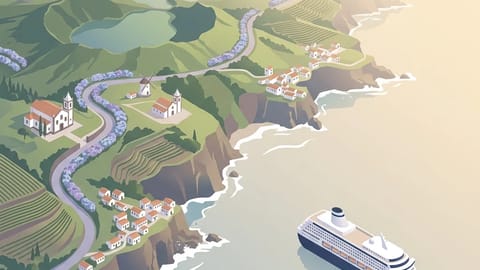
The Azores, Madeira, and Cape Verde sit in the middle of the Atlantic, far from anything else. The Azores are green, volcanic, and quiet. Madeira is known for its levada walking trails and the local fortified wine. Cape Verde has West African and Portuguese influences and a completely different feel. Often visited on repositioning or transatlantic cruises.

Iceland looks like another planet: lava fields, steaming vents, black-sand beaches, and waterfalls everywhere. The Golden Circle (Geysir, Gullfoss, Thingvellir) is the classic day excursion from Reykjavik. Summer gets near-constant daylight; September sailings trade that for a real chance at Northern Lights.
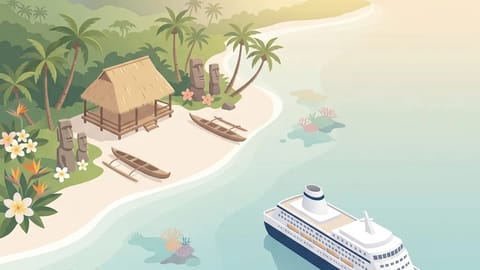
Fiji, Tahiti, Bora Bora, and smaller islands scattered across thousands of miles of open ocean. The sailing distances are long, so expect plenty of sea days. The payoff is turquoise lagoons, coral reefs, and a pace of life that moves slower than anywhere else. These itineraries often depart from Sydney or Auckland.
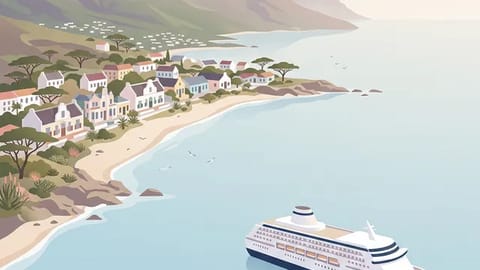
Cape Town is the most common port, and sailing into Table Bay with Table Mountain behind the city is a good arrival. East African ports like Zanzibar and Madagascar appear on longer itineraries. Some South Africa sailings combine with Mozambique or Namibia. Wildlife excursions are the main draw at most stops.
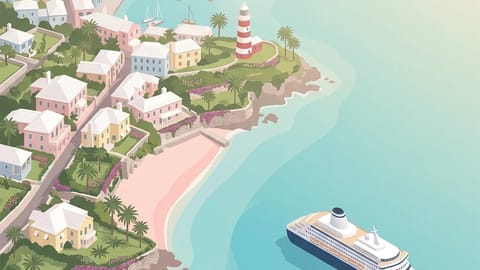
Two sea days from the US East Coast, and most ships stay docked for two or three days, so you actually get time to explore instead of rushing. The island is small enough to scooter around in a day. Horseshoe Bay has the famous pink sand, and the Gulf Stream keeps the water warmer than you'd expect.
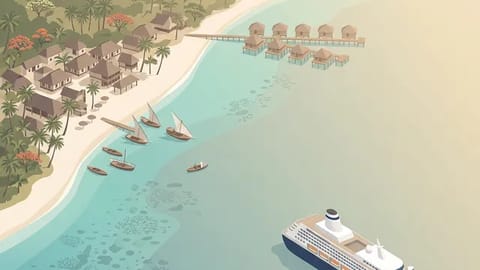
The Maldives, Seychelles, and Mauritius. Small-ship and expedition cruises dominate here since the islands are spread far apart. The water clarity and marine life are among the best anywhere for snorkeling. These tend to be expensive, longer itineraries, often combined with a land stay.
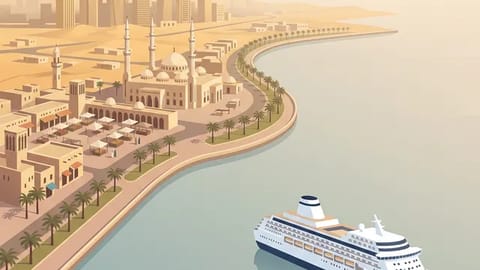
Dubai and Abu Dhabi anchor most Arabian Gulf itineraries. The contrast is hard to process: glass skyscrapers next to old souks, indoor ski slopes in the desert. Oman (Muscat) is the quieter, more traditional stop and often the highlight for repeat visitors. Winter is the only comfortable season for this region.
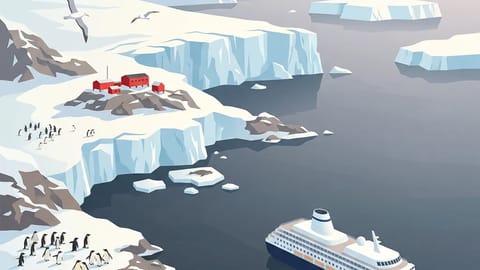
Expedition cruising only. Small ships, Zodiac landings, and strict environmental protocols. You'll see penguin colonies, massive tabular icebergs, and a silence that's hard to find anywhere else. The Drake Passage crossing from Ushuaia can be rough, but most people say it's worth it. Season runs November to March.
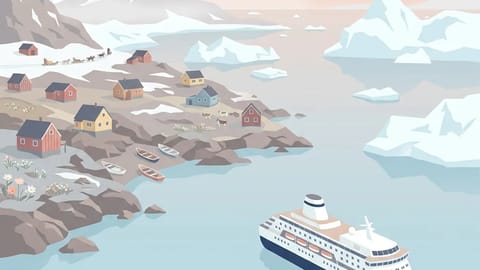
As remote as cruising gets. Most Greenland itineraries are expedition-style: smaller ships, Zodiac landings, and lectures from naturalists instead of pool parties. The Ilulissat Icefjord produces icebergs the size of city blocks. Ports are tiny Inuit towns. Not for everyone, but if you want genuine wilderness, this is it.
