Compare the world's leading cruise lines: their fleets, styles, and what makes each one unique. Find the right line for your next voyage.
Fun for All. All for Fun
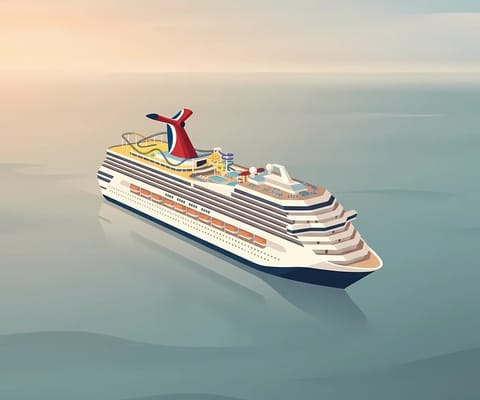
Carnival moves more passengers per year than any other cruise line, and the formula is straightforward: keep the ships fun, keep the prices accessible, and sail from ports people can actually drive to. The fleet covers 25+ ships departing from more North American homeports than anyone else, including Galveston, New Orleans, Jacksonville, Baltimore, Long Beach, and the big three in Florida. The newer Excel-class ships (Mardi Gras, Carnival Celebration, Carnival Jubilee) brought the first roller coaster at sea, a zone-based layout that replaced the old open-plan design, and food partnerships with Emeril Lagasse and Guy Fieri. Most routes are short Caribbean hops of 3 to 7 nights, with longer options to Alaska, Hawaii, and Europe. The onboard vibe skews younger and more relaxed than most lines. No formal night, no pretense. It's more pool party than piano bar.
It's Big Time
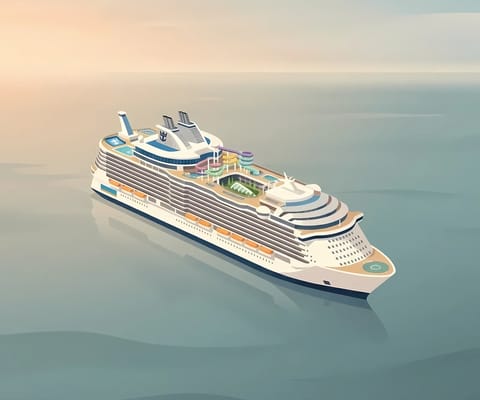
Royal Caribbean operates the largest cruise ships ever built, and that's not an exaggeration. Icon of the Seas and Wonder of the Seas are floating resorts with surf pools, zip lines, ice skating rinks, and full Broadway productions running every night. The target audience is families, and the ships deliver on that promise. Kids clubs are open all day, the waterparks are enormous, and there's enough variety to keep teenagers entertained (or at least not bored). Most Caribbean sailings depart from Miami, Fort Lauderdale, or Galveston, with seasonal schedules covering Alaska, the Mediterranean, and Asia-Pacific.
The Mediterranean Way to Sail the World
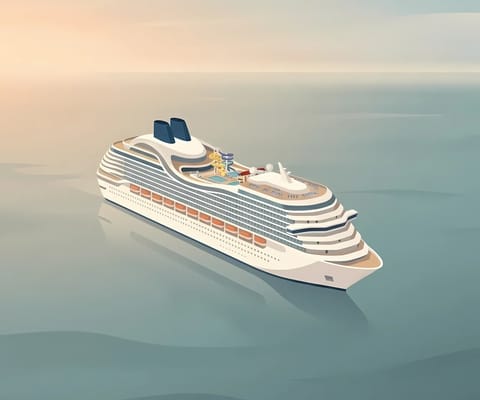
MSC is European in a way that's hard to fake. The Aponte family still runs the company out of Geneva, making it the largest privately held cruise line on the planet. Dinner onboard leans Italian because the company is Italian. The coffee is proper espresso. And the mix of passengers is genuinely international, so don't be surprised to hear five or six languages at the pool bar. Their newer ships like World Europa and World America run on LNG and are among the most modern vessels currently sailing. Fares tend to come in lower than Royal Caribbean or Norwegian, particularly for Mediterranean and Northern European routes. MSC also covers destinations that most competitors skip entirely, including South America, South Africa, and the Arabian Gulf.
It's Different Out Here
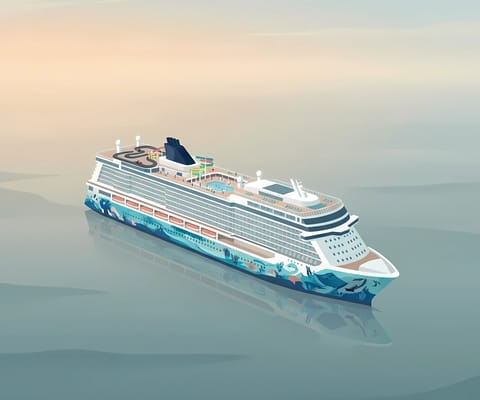
Norwegian's whole identity comes down to one word: freedom. No assigned dinner times, no formal dress codes, no fixed seating. They branded it Freestyle Cruising back in 2000 and haven't looked back. On any given ship you've got a dozen restaurants to pick from, and you just show up when you're hungry. If you want something fancier, The Haven is their private-access section with its own pool, dining room, and concierge team. Think of it like a small luxury hotel hiding inside a bigger ship. The newer Prima Class ships are more mid-sized than the competition, which means less crowding and more outdoor deck space per person. Norwegian covers pretty much every major route out of US ports: Caribbean, Alaska, Hawaii, and Northern Europe.
Come Feel the Love
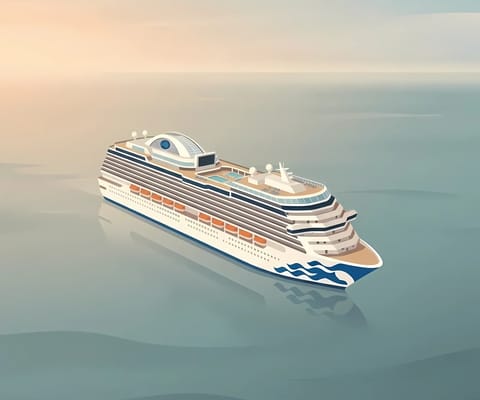
Princess is the line behind The Love Boat — literally. The original Pacific Princess starred in the TV show that made cruising mainstream in the late '70s. Today the fleet runs 15+ ships across every ocean, from short Caribbean hops to 100+ night world cruises. Princess pioneered the MedallionClass wearable (a small disc that replaces your key card, tracks your drink order, and opens your cabin door as you walk up). Their newer Sun-class ships are the biggest in the fleet, with more outdoor space than most competitors. Dining is flexible — you can do traditional fixed seating or eat whenever you want at a dozen venues. The line sits between mainstream and premium: more polished than Carnival, less formal than Holland America, both of which are siblings under the Carnival Corporation umbrella. Alaska is arguably their strongest itinerary — they've been sailing there since the 1960s and even own wilderness lodges on land.
Modern Luxury Lives Here
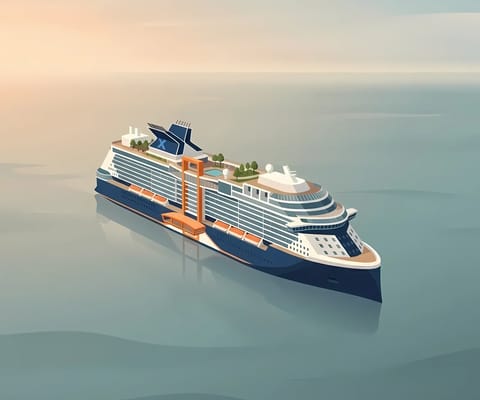
Celebrity sits in the premium tier of Royal Caribbean Group. The ships are smaller than what Royal Caribbean puts out, but the quality of finishes runs noticeably higher. You'll find partnerships with Michelin-starred chefs, interiors by designers like Kelly Hoppen and Tom Wright, and an actual grass lawn on the top deck of the Solstice-class ships. The Edge-class vessels introduced the Magic Carpet, a cantilevered platform that moves up and down the side of the ship and works as a bar, restaurant, or tender station depending on the deck. The passenger base trends older and couples-heavy, though Celebrity has been making more of an effort with families lately. Most itineraries cover the Mediterranean, Caribbean, and Alaska, plus a dedicated Galápagos program on three smaller expedition ships. The Retreat is their suite-level experience: separate restaurant, private sundeck, and a dedicated lounge.
Savor the Journey
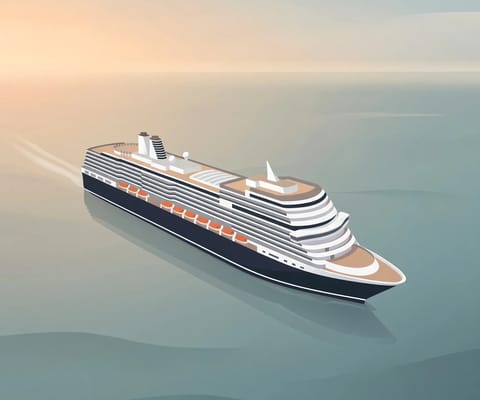
Holland America Line began in 1873 as a Dutch shipping company carrying emigrants from Rotterdam to New York, and the Dutch roots are still visible: every ship in the fleet ends in -dam, and Indonesian and Filipino crews have served the line for generations. The ships are mid-size by current standards, roughly 1,400 to 2,650 guests, so they reach harbours the mega-ships have to skip. On board the emphasis is music and food rather than waterslides. The Music Walk puts live sets in several rooms most evenings, including the Rolling Stone Rock Room, and dining runs past the main room to the Pinnacle Grill steakhouse, Canaletto for Italian, and Tamarind for Asian on the larger ships. Itineraries tend to be long. Alaska is the strongest programme and Holland America has sailed it every season since 1947, alongside Panama Canal transits, Northern Europe and the Baltic, and Grand Voyages that circle the world over roughly four months. Passengers skew older and better travelled than on the mainstream lines. Inside Carnival Corporation, Holland America sits in the premium tier next to Princess, above Carnival and Costa.
Premium German cruising on Mein Schiff
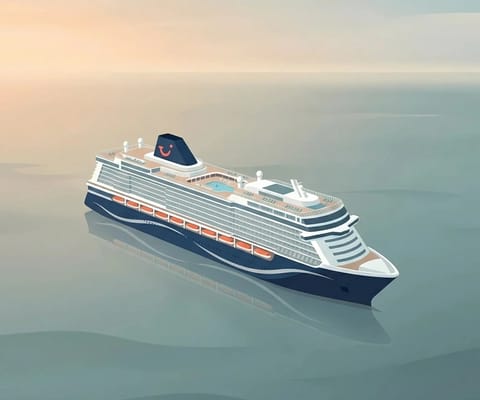
TUI Cruises is the leading German premium cruise line, operating the modern Mein Schiff fleet out of Hamburg. A joint venture between TUI AG and Royal Caribbean Group, the line focuses on an all-inclusive approach with a relaxed, contemporary feel tailored to German-speaking guests. The Mein Schiff fleet — nine ships and growing — sails Europe, the Caribbean, and beyond, with the next-generation InTUItion-class ships launching from 2025.
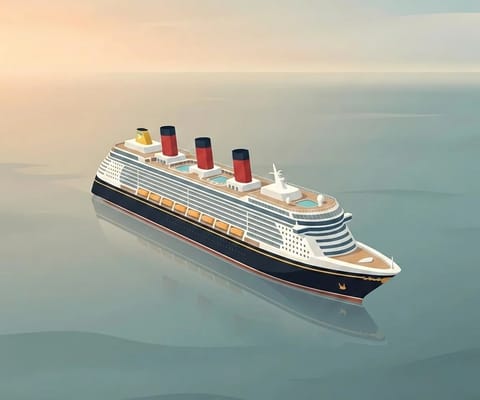
Where Magic Meets the Sea
Disney Cruise Line does one thing better than anyone else: family cruising with the Disney machine behind it. The fleet is small but growing fast — the classic Magic and Wonder, the Dream-class Dream and Fantasy, and the newer LNG-powered Wish, Treasure, and Destiny. What sets Disney apart is the storytelling. Rotational dining moves you (and your serving team) through three themed restaurants over the voyage. Broadway-caliber stage shows run nightly, characters roam the ship for meet-and-greets, and the youth clubs — Oceaneer Club, Edge, Vibe — are the best at sea, all included in the fare. Adults get their own quiet zones: adult-only pools, restaurants like Palo and Remy, and a nightclub district. Most itineraries are short Bahamian and Caribbean hops from Florida, with stops at Disney's private islands Castaway Cay and Lookout Cay at Lighthouse Point, plus seasonal Europe, Alaska, and Mexican Riviera sailings. Pricing sits at the premium end, but the all-in entertainment and the brand keep it in a league of its own for families.
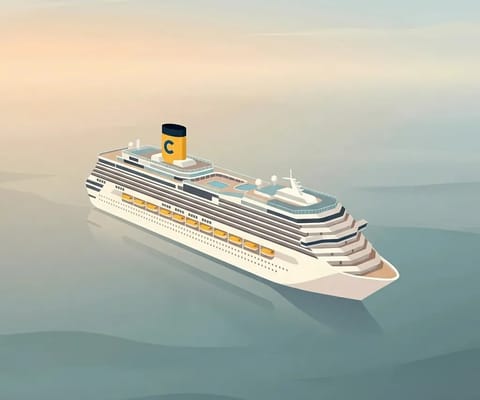
Italy's Finest at Sea
Costa Crociere is Italy's largest cruise line and the Mediterranean flavour inside Carnival Corporation. Sailing since 1948, the fleet blends Italian design, regional food, and a relaxed European atmosphere — think espresso bars, aperitivo hours, and menus built around Italian regions. Ships like the LNG-powered Costa Smeralda and Costa Toscana anchor the modern fleet alongside long-serving favourites such as Serena, Diadema, Pacifica, and Fascinosa. Itineraries lean heavily on the Western and Eastern Mediterranean with round-trips from Italian, Spanish, and French home ports, plus seasonal Northern Europe, the Canaries, and long-haul repositioning. Costa's fares come in tiers — cruise-only lead-ins through the all-inclusive My Cruise / All Inclusive packages — making it one of the more affordable ways to see the Med, with a distinctly Italian crowd on board.
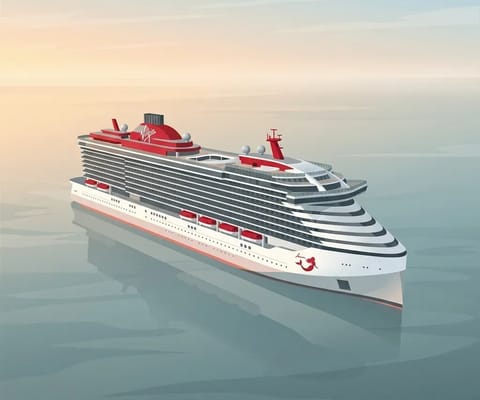
The Adult-by-Design Cruise
Virgin Voyages is Richard Branson's adults-only (18+) cruise line, launched in 2020 to rip up the cruise rulebook. Every guest is a 'Sailor' and the whole experience is designed for grown-ups — no kids, no formal nights, no buffet, and no forced tipping. The fare is unusually inclusive: gratuities, Wi-Fi, most restaurants (over 20 eateries, none of them a buffet), group fitness classes, and soft drinks are all built in. The fleet is four identical Fincantieri sisters — Scarlet Lady, Valiant Lady, Resilient Lady, and the new Brilliant Lady — each carrying around 2,770 Sailors with a design-forward, boutique-hotel-at-sea aesthetic. Cabins range from clever Insider interiors to the sea-facing Sea Terrace balconies and the lavish RockStar and Mega RockStar suites. Itineraries cover the Caribbean, Mediterranean, Northern Europe and Iceland, the Pacific Coast, and — new for 2026 — Alaska from Seattle. Pricing sits in the premium bracket, but the all-in fare and the party-meets-wellness vibe make it a genuinely different way to cruise.
